Business Waste Removal in Stratford

Business waste removal in Stratford means arranging commercial waste collections that keep premises clear, compliant and ready for work. We handle routine office rubbish, retail packaging, unwanted fixtures, archived paperwork for shredding, and other non-hazardous commercial materials with a practical focus on sorting and responsible disposal. The aim is straightforward: remove what your business no longer needs without turning the day into a disruption.
Many organisations need a service that can deal with mixed waste streams sensibly rather than treating everything as one load. That may include desks and chairs, cardboard, confidential paper, old stock, display units, shelving or general junk created by refits and clear-outs. We work across common commercial situations and keep the process clear from the start, so you know what is being taken and what should be separated before collection.
If you are comparing options, start with the type of waste and the space involved. A short list of items, a few photographs and any access notes can help frame the job accurately. Request a quotation when you are ready, and use the details on this page to decide which service route suits your premises best.
Commercial waste collections for working premises
For business premises, the service needs to match the rhythm of the site as much as the volume of waste. Offices, shops, hospitality venues, workshops and managed properties often build up items gradually, then reach a point where storage, access and presentation all start to suffer. Our commercial collections are intended for that kind of practical removal work, with attention to loading, segregation and leaving the area in workable condition once the waste has gone.
Different premises produce different waste patterns. An office may need old furniture and filing removed, while a retail unit may be dealing with broken display fittings, stockroom clutter or packaging after deliveries. Some business clearances are one-off jobs tied to a move, refurbishment or change of use; others are recurring collections for general waste build-up. If you need a place to begin, look at the load type first and then the collection route. For a wider view of our core service, you can read more about business waste removal.
Useful planning usually starts with three basic points:
- what the waste consists of, including bulky or awkward items
- how the waste is stored and whether stairs, lifts or narrow access are involved
- whether any items need separating for reuse, shredding or specialist handling
Office clear-outs and workplace furniture

Office clear-outs commonly involve more than just bags of rubbish. Desks, chairs, meeting tables, pedestals, shelving and storage units can all need removal in one sequence, especially when a lease ends or a space is being reconfigured. We can handle office waste removal as a structured job rather than a last-minute sweep, which helps when items are spread between floors, cupboards, stores and communal areas.
Some workplaces also need care around documents and equipment. Paper records, confidential files and obsolete office hardware are often best separated before collection so they can be dealt with appropriately. If your business needs a specific document disposal route, our confidential shredding page gives a clearer idea of that service. The key point is to avoid mixing everything together if the load includes materials with different handling requirements.
Before a collection, a little preparation makes a difference. Keep items you definitely want to retain away from the removal area, identify anything that should not be touched, and note whether there are loading restrictions. If the waste is being gathered from several rooms, a simple inventory is often enough to make the job more efficient. When you are ready, a quotation request can be based on a concise description rather than a long explanation.
Furniture, fixtures and bulky items
Commercial waste removal often includes bulky items that are difficult to store once they are no longer useful. Office chairs, reception furniture, cabinets, tables, shelving, display stands and similar items can quickly occupy space that a business would rather use for operations. We also deal with mixed furniture loads where some items are suitable for reuse, while others are damaged, outdated or no longer fit for purpose.
Bulky collections benefit from clear separation between items that can be removed quickly and items that need dismantling first. If a workspace is being emptied before a fit-out, for example, a few pieces may need to be broken down to move safely through corridors or doorways. Our furniture clearance service is relevant where the main task is the removal of surplus furniture rather than a full premises clear-out. That distinction helps keep the job efficient and the quotation aligned to the actual work.
For furniture-related waste, it is also sensible to check whether anything is still usable, repairable or earmarked for a different site. Items set aside for keeping should be clearly marked, and any fragile fittings or glass components should be identified in advance. If the load includes a few special items alongside general clutter, noting them early helps avoid confusion on the day.
Waste from refurbishments, fit-outs and moves
Refurbishment and move-related waste tends to arrive in waves. Old fittings come out first, then packaging, then redundant office or shop items, followed by general leftover material from the project. A practical waste removal service needs to cope with that changing mix without creating delays. We can support businesses that need one-off clearance work linked to a move, redecoration, reorganisation or change of occupancy.
Where a project is underway, timing matters as much as the load itself. Waste should be removed at the right stage so it does not block contractors, staff or customers. That may mean clearing a back room before a new delivery, removing old equipment once replacements arrive, or emptying an area before final handover. For businesses wanting a more general yardstick on charges and scope, our pricing and quotes page may help frame the request before you make contact.
Two details are especially useful when arranging a project-based collection: the access route and the space the items occupy. Whether the waste is behind a shopfront, in a basement, or on an upper floor affects the handling plan. It also helps to know whether collections need to be split into phases. If the work is straightforward, a single collection may do; if the project is staged, we can keep the waste removal aligned to each step.
Recycling and responsible disposal
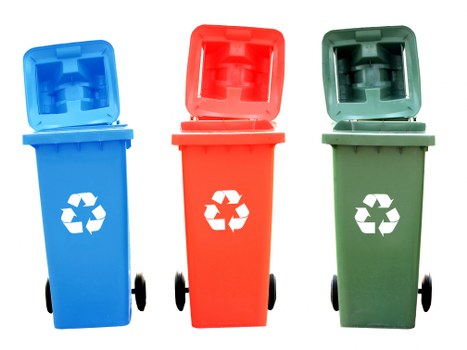
Commercial waste should not be treated as a single undifferentiated load when better separation is possible. Cardboard, metal, wood, plastics, paper and reusable furniture can all follow different disposal paths depending on the material and condition. The practical benefit for a business is simple: a cleaner site and a more sensible process for the items leaving it. We therefore treat sorting and disposal as part of the service, not an afterthought.
Where items can be separated before collection, the process is usually easier. A business might group cardboard from packaging, isolate unwanted furniture, and identify anything that needs a distinct route because it is confidential or potentially problematic. For customers who want to read more about this side of the work, our recycling and sustainability page sets out the general approach in more detail. The important thing here is that the removal plan matches the waste stream rather than forcing all materials into one category.
It can help to think of waste removal in terms of three questions: what is it, where is it, and how should it be handled? Those answers make quotation and collection planning more accurate. They also reduce the chance of items being missed, misclassified or left behind because they were not described clearly at the outset.
Building-related business waste and trade clearances
Some commercial jobs are driven by building work, maintenance or a trade contractor finishing on site. In those cases, the waste may include offcuts, packaging, broken fixtures, redundant fittings and other light-to-medium materials associated with the project. Our business waste removal service can support this kind of clearance where the load is commercial in nature and needs to be taken away promptly once the work is complete.
For heavier site clearance work, it is helpful to distinguish between general commercial waste and materials that call for a more specific removal plan. If your job is connected to construction or alterations, our builders waste clearance page may be the more relevant starting point. That keeps the scope focused and avoids confusion between office, retail and building-related waste types. The exact waste mix matters because it affects how the load is handled and what can be included together.
Good access planning saves time on trade jobs. If there are loading bays, timed entry points or shared corridors, mention them early so the collection can be arranged around the site. If certain areas must remain open for staff or customers, say so clearly. A concise quotation request with the right site notes is usually more useful than a long description of the project history.
About Stratford
Stratford in East London is a district shaped by both older urban layers and major modern redevelopment. Historically part of Essex before becoming part of Greater London, it sits in the London Borough of Newham and has long been associated with transport links, industry, markets and later large-scale regeneration. The area is crossed by several important routes and is anchored by Stratford station and Stratford International, which together make it one of the best-connected places in east London. Westfield Stratford City, opened in 2011, is one of the most prominent retail developments in the area and stands close to the Queen Elizabeth Olympic Park, the broad parkland created for the 2012 London Olympics. That park includes sporting venues, landscaped paths, waterways and public spaces that have altered the character of the district, while nearby canals and the River Lea corridor add another layer to the local geography. Stratford is also linked to theatre, education and culture through venues such as Theatre Royal Stratford East and the University of East London’s Stratford campus. The mix of older streets, new housing, retail centres and public realm means the place is both busy and varied, with a strong sense of movement between commercial activity, residential neighbourhoods and major civic spaces.
Clearance for shops, hospitality and managed properties
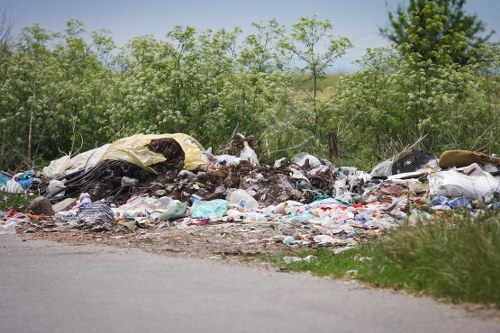
Businesses in retail, hospitality and property management often need waste removed in a way that fits around opening hours, tenant changes and periodic resets. Shop waste can include shelving, packaging, signage, backroom clutter and obsolete display items. Hospitality sites may have damaged furniture, redundant fixtures or stockroom waste to clear, while managed buildings often generate mixed rubbish during tenant moves or routine maintenance.
These jobs usually go more smoothly when the waste is grouped by area or function before collection. That may mean separating front-of-house items from storage-room waste, or keeping tenant waste distinct from building maintenance debris. Where a business has a continuing need for collections rather than a one-off clear-out, it helps to define the pattern clearly from the beginning. If you want to arrange a collection without overcomplicating the process, you can ask for a quotation using the details you already have and build from there.
We also see situations where waste accumulates because stock, equipment or fixtures are replaced gradually rather than all at once. In those cases, a planned collection can reduce pressure on storage areas and keep the premises easier to manage. The service is flexible enough to cover complete clearances and smaller commercial loads, provided the waste is described accurately and the access arrangements are understood.
Office, retail and storage waste: what to tell us
When a business needs a quotation, the best information is usually simple and specific. The collection can only be planned properly if the items, access and location are known. A short description of the main waste types is often enough to decide what needs to be removed and whether any items need special handling. That is better than sending a vague list of “general rubbishâ€, because commercial loads are rarely all the same.
For most enquiries, the following points are the most useful:
- the main items to be removed, with approximate quantity if possible
- where the items are stored within the premises
- any access issues such as stairs, lifts, loading restrictions or parking limits
- whether any documents, electronics or unusual materials are included
If you are also dealing with older paperwork, our office clearance service may be the better fit for a broader workplace job, especially where furniture and archive material are being removed together. The more clearly the waste is described, the more accurately the collection route can be matched to it. That makes the quotation stage simpler and reduces the risk of surprises when the work begins.
Making a practical start
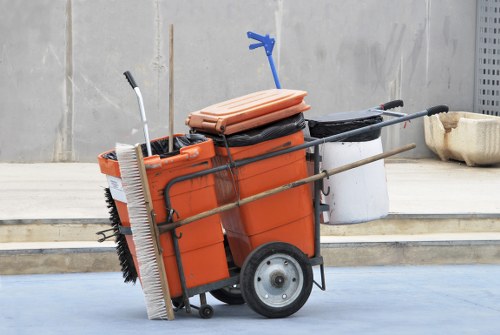
Commercial waste removal is easiest when the job is defined by purpose rather than by guesswork. Whether the need is an office clear-out, a shop reset, furniture disposal or a mixed business load, the best results come from a service that matches the waste type and the available access. That is why we keep the process focused on the practical details that matter most to the premises and the items involved.
If your business has surplus items that are taking up valuable room, it is worth separating what must go from what should stay and then deciding how the removal should be staged. For larger jobs, one collection may cover everything; for smaller or phased jobs, a sequence of collections may be more suitable. Use the information you already have and keep it concise; that is usually enough to begin.
Contact us to request a quotation for business waste removal in Stratford. If you prefer to work through the job first, you can also review the related service pages above and then send over a clear description of the waste, access and timing needs. Either way, the aim is to make the removal straightforward from the outset.